
 See Our Latest Article on HelloNation

How Does Chiropractic Care Benefit Active Families?
Chiropractic care offers support to families who maintain active routines through sports, movement, and recreation. It can help address common aches, strains, and posture issues that arise, especially for those balancing busy school, work, and play schedules. By promoting mobility and focusing on spinal health, chiropractic can make it easier for families to enjoy their favorite local activities year-round.
What Are Typical Challenges for Active Families in This Area?
In Massena, winters are long and can limit outdoor movement, while summer brings hiking, biking, boating, and other active pursuits. Local families often juggle schedules packed with practices, games, chores, and seasonal tasks like shoveling snow or yard work. These habits mean:
- Increased risk of muscle strains from repetitive movements or unexpected slips on snow and ice
- Postural tension from carrying heavy backpacks or athletic gear
- Soreness and stiffness after long car rides for out-of-town tournaments or family trips
Children might experience discomfort after a growth spurt, while adults can notice more aches with age or stress. Small injuries from yard games, playgrounds, or seasonal chores are common, sometimes leading to ongoing discomfort if not addressed.
How Does Chiropractic Care Address These Local Concerns?
Chiropractors focus on how the body moves, especially the spine, muscles, and joints. Regular assessment can help identify and relieve minor restrictions affecting comfort or flexibility. For area families, this means:
- Reducing muscle soreness and supporting faster recovery from sprains or strains
- Improving movement in the neck, shoulders, and back—important for anyone lifting, shoveling, or playing sports
- Supporting good posture, whether at a school desk, on the job, or during home activities
Chiropractic providers can also suggest exercises or stretches that fit the region’s changing seasons, such as tips for safe snow shoveling or ways to warm up before spring sports.
Can Chiropractic Care Help Prevent Injuries?
While not a substitute for medical attention after serious accidents, chiropractic care may lower the chance of recurring strains or minor injuries by keeping the body more balanced and mobile.
- Families with young athletes often learn posture tips, safe stretching habits, and the importance of effective warm-ups and cool-downs
- Guidance is provided for making everyday routines—like carrying groceries or lifting sports equipment—easier on the back and shoulders
- For teens facing sports seasons, chiropractors may advise on cross-training or flexibility routines that suit local weather and schedules
What Age Groups Benefit?
Chiropractic care is adaptable to individuals of all ages. Children, teens, parents, and even grandparents living in the household can use chiropractic guidance for comfort and function, especially those who:
- Participate in team sports, dance, or martial arts
- Enjoy active hobbies like gardening, fishing, or cycling
- Experience postural discomfort from tech use or remote learning setups
- Develop soreness related to aging, repetitive work, or family care duties
Each person’s care is tailored to their specific needs and activity levels.
Are There Misconceptions About Chiropractic Care for Families?
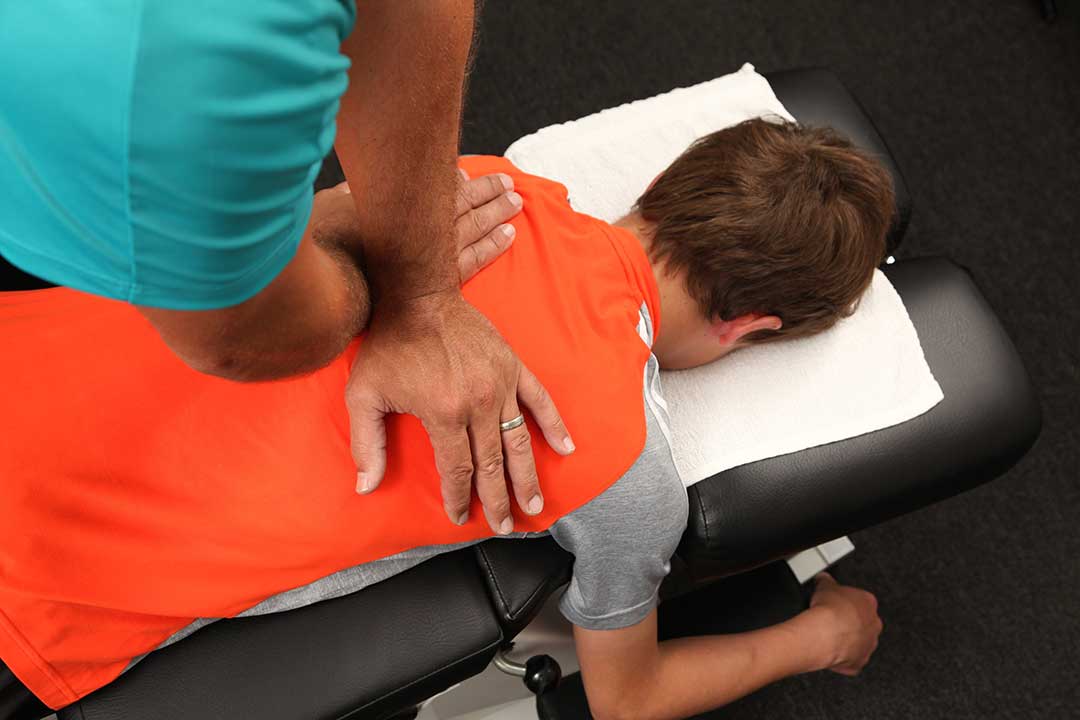
A few misconceptions sometimes keep families from exploring chiropractic support:
- Some think care is only for adults or for major back pain, but support can be offered for a range of life stages and mild issues
- Others may believe adjustments are painful or risky; chiropractic approaches are typically gentle and chosen based on the individual’s comfort level and age
- There is also an idea that care is only reactive, rather than preventive; in reality, education and movement strategies are a key part of ongoing support
What Should Local Residents Expect During a Visit?
During a typical visit, the provider collects health history and listens to activity details. Sessions often involve:
- Assessment of movement, posture, and muscle function
- Gentle hands-on care or other techniques, depending on comfort and needs
- Advice on stretches, posture, or daily activity modifications suitable for the season
Questions about exercise, recreation, and family routines are common and guide the approach taken.
How Can Families Integrate Chiropractic Habits Into Daily Life?
Families interested in supporting their musculoskeletal health can:
- Share weekly activity plans so everyone is aware of potential stress on their bodies
- Use easy at-home stretching or warm-up routines, adapted for weather and household space
- Encourage regular movement breaks during sedentary periods—such as after school, during remote work, or on winter days spent indoors
Building simple, practical chiropractic habits into family routines—like consciously using safer lifting strategies or checking sitting posture—can help keep everyone moving comfortably in every season.
