
 See Our Latest Article on HelloNation
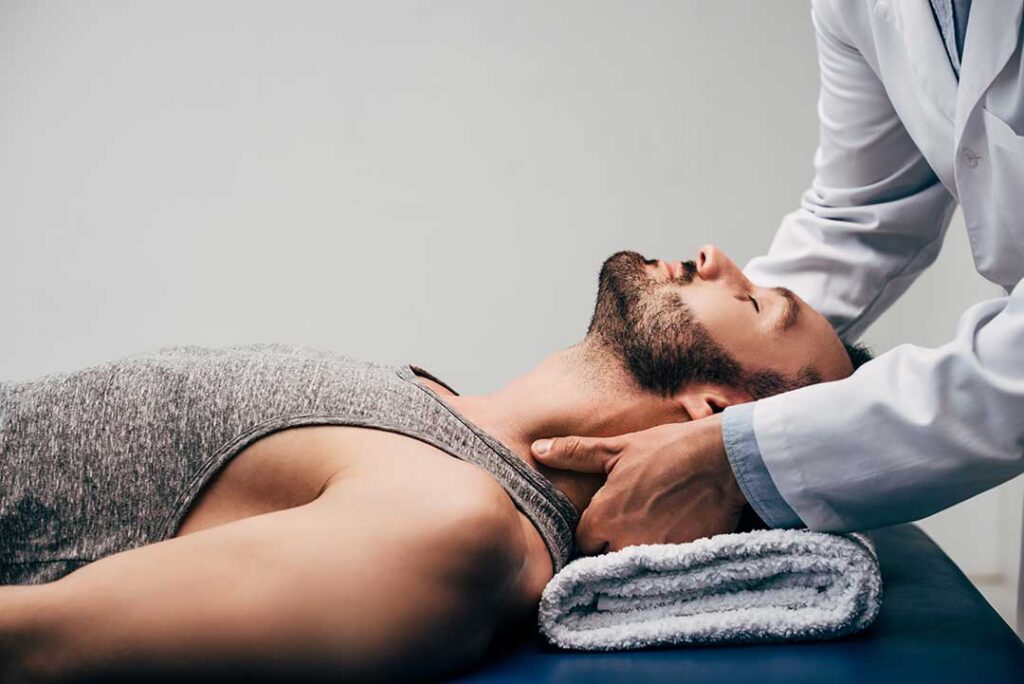
What Are Trigger Points?
Trigger points are small, sensitive areas within a muscle that can cause discomfort, aching, or even sharp pain. These "knots" often form in response to muscle overuse, minor injuries, or stress. When pressed, a trigger point might feel particularly tender and can sometimes create pain that radiates to other areas—a phenomenon called referred pain.
People in Massena, NY, may encounter trigger points due to activities common in the area, such as shoveling snow, gardening, or spending extended periods seated in home offices. These points develop when muscle fibers become abnormally tight, often due to repetitive motions, awkward posture, or lingering tension after physical tasks.
How Do Trigger Points Differ From Other Muscle Pain?
Trigger point pain is typically more localized than general muscle soreness, but it can also travel. Unlike strains (where you often recall a specific injury), the discomfort from trigger points develops gradually and tends to persist longer.
Key differences include:
- Trigger points feel like tender "knots" or bands within a muscle
- Pressing on a trigger point may cause a predictable, familiar pain pattern
- Relief may be temporary after stretching, massaging, or resting
- Soreness after activity or a new exercise routine is usually widespread, while trigger point pain is more focused
Understanding these distinctions can help residents decide how to manage muscle discomfort and when self-care is appropriate.
What Causes Trigger Points to Develop?
Trigger points frequently develop from:
- Repetitive motion (such as snow shoveling in Massena winters)
- Sitting for long periods with poor posture (like working at a kitchen table)
- Minor muscle injuries or sprains
- Unaddressed tension from stress, anxiety, or physical exertion
- Cold weather, which can make muscles tense up, increasing the risk of knots
Age, fitness level, and hydration also contribute. Muscles that are weakened, fatigued, or not frequently stretched are usually more prone to trigger point formation, particularly in times of increased household activity—such as spring cleaning or fall yard work.
What Are Common Signs and Symptoms of Trigger Points?
The main signs include:
- Tenderness to touch in a specific spot
- A firm, palpable "knot" under the skin
- Localized or radiating pain (e.g., an ache in the neck that travels to the shoulder)
- Muscle stiffness, weakness, or reduced flexibility in the affected area
Residents often notice trigger points in their upper back, shoulders, and neck—areas commonly strained by local daily tasks like carrying groceries, raking leaves, or managing snow equipment.
How Can Local Residents Safely Manage Trigger Points at Home?
For minor or occasional discomfort, several gentle strategies can help:
- Apply a warm compress or heating pad to relax tight muscle fibers
- Use gentle stretching for the affected area, such as neck rolls for upper back tension
- Self-massage, using hands or a simple tool like a clean tennis ball, can sometimes help release a knot
- Stay hydrated and take movement breaks during long sedentary periods

Rest is also valuable, but too much inactivity can allow trigger points to persist. Engaging in light physical activity, like a brisk walk around one of the city’s parks or along neighborhood sidewalks, can improve circulation and comfort.
When Should Residents Be Concerned About Muscle Pain?
Muscle pain that:
- Lasts longer than a week without improvement
- Is associated with numbness, weakness, or sudden loss of movement
- Worsens despite rest and gentle care
- Follows an injury with swelling, bruising, or severe limitation
…may indicate something other than a simple trigger point. If these symptoms appear, medical evaluation is needed to rule out nerve, joint, or other underlying conditions.
Are There Misconceptions About Trigger Points?
Yes—many locals believe that all muscle knots will disappear with a deep massage or a day’s rest, but that's not always the case. Overly aggressive massage can actually make some trigger points worse. Additionally, frequent discomfort in the same spot can sometimes signal an underlying issue, such as a repetitive strain injury or joint dysfunction, that won’t resolve with self-care alone.
Another common misconception is that only athletes or those doing heavy work get trigger points. In reality, anyone with ongoing tension, poor posture, or even stress from daily life can experience them—even those working from home or leading sedentary lifestyles, which are common in the community during colder months.
How Does Local Lifestyle in Massena Affect Muscle Health?
The region’s long winters and variable seasons can play a role in how often area residents encounter muscle knots. Cold temperatures make muscles more prone to tension and less responsive to stretching, especially after time indoors. Seasonal chores—from snow clearing to leaf raking—can strain muscles that aren’t conditioned for those bursts of effort.
Residents can help minimize risk by:
- Warming up before heavy outdoor work
- Dressing appropriately to prevent muscle tension from cold
- Periodically doing gentle range-of-motion exercises indoors during winter
What Can Residents Do to Prevent Trigger Points?
Regular, gentle movement is key—standing up to stretch during prolonged sitting, taking short walks, and varying repetitive tasks helps reduce the chance of muscle knots. Simple routines, such as stretching the neck, shoulders, and back, can fit into everyday life without special equipment.
Paying attention to hydration, managing daily stress, and keeping muscles warm in cold weather further support muscle health for area households.
