
 See Our Latest Article on HelloNation
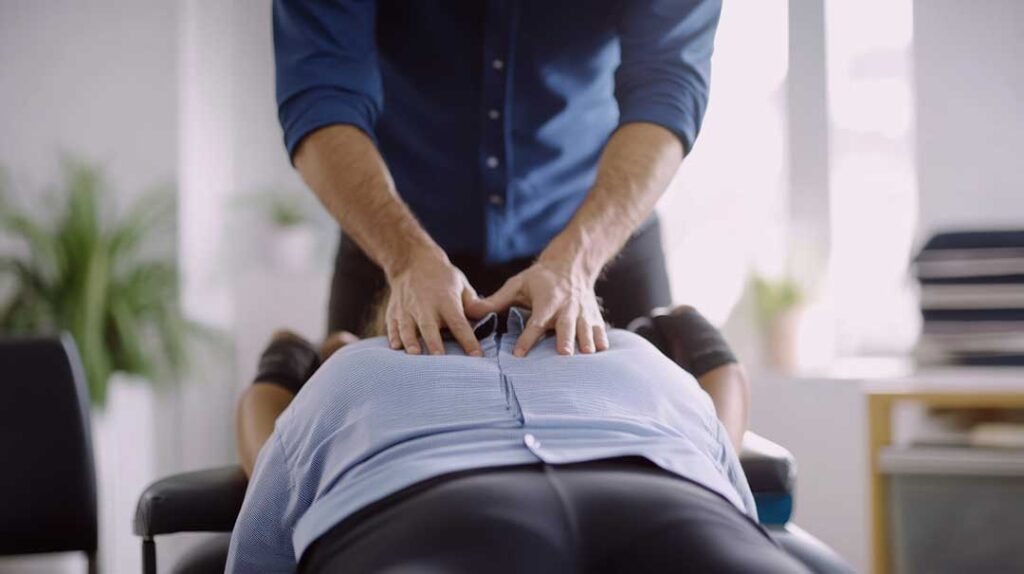
What Causes Minor Back Strains, and How Do They Feel?
Minor back strains are a common issue for many in Massena, NY, especially after lifting heavy items, shoveling snow, or even gardening in local yards. A muscle strain typically develops when muscles or tendons are stretched or torn beyond their limit. Most people notice localized pain, mild swelling, stiffness, or difficulty moving, but symptoms usually improve within days to weeks.
Is Rest or Activity Better for a Minor Back Strain?
Gentle movement helps more than prolonged bed rest. While it might be tempting to stay immobile, brief rest is often enough. Try continuing light activities around the house—walking or gentle stretches typically keep the muscles from becoming overly stiff, especially during Massena’s colder seasons, when inactivity can worsen symptoms. However, avoid repetitive bending, twisting, or lifting until the pain eases.
When Should Ice or Heat Be Used?
For the first 24-48 hours after a strain, applying a cold pack or a bag of frozen vegetables wrapped in a towel can help minimize swelling and numb soreness. After the initial period, switching to a heating pad or warm compress encourages blood flow, which supports tissue healing and eases lingering stiffness. Always use a barrier between your skin and any ice or heat source and limit use to 15-20 minutes per session to prevent skin injury.
What At-Home Pain Relief Options Are Commonly Used?
Several home-based strategies can help manage mild discomfort:
- Over-the-counter pain relievers, like acetaminophen or ibuprofen, can take the edge off pain and reduce swelling.
- Simple stretching exercises, such as gently pulling the knees to the chest while lying down, are often safe if they don’t increase pain.
- Many residents find relief using a supportive pillow behind their lower back while sitting—helpful for those working from home in Massena during colder months.
- Mindful movement and good posture when handling groceries, laundry, or household tasks decrease muscle irritation.
Are There Activities to Avoid During Recovery?
Certain actions delay recovery or risk worsening a strain:
- Lifting heavy objects, even if they don’t seem too challenging at first.
- Aggressive twisting, sudden bending, or vigorous exercise.
- Prolonged sitting in soft couches or recliners, which may lack proper back support.
After a heavy snow or local yard work, taking time to warm up, stretch, and use proper mechanics can prevent new injuries.
Can Local Weather or Lifestyle Affect Recovery?
Massena’s colder climate, especially from late autumn to early spring, may cause muscles to tighten up, making strains feel more intense. Dressing warmly and using heated blankets or pads can reduce stiffness. In winter, icy sidewalks and driveways may force residents to brace awkwardly, straining the back further—having safe, clear paths and moderate shoveling techniques minimizes the risk.
Additionally, many of Massena's older homes may have limited ergonomic support in furniture or workspaces. Simple changes, such as choosing chairs with better lumbar support or adjusting workstations, can make a noticeable difference for those healing from back strains.
How Long Does a Minor Back Strain Usually Last?
A mild strain often improves within a week, with most discomfort resolving within two weeks if home treatments are consistent. Young adults or those with generally good health may recover quickly, but healing could be slower for older community members or those with other health challenges.
What Signs Mean a Back Strain Is More Serious?
Sometimes, what feels like a simple strain is actually something more complex. Local residents should be alert for symptoms such as:
- Numbness or tingling down one or both legs
- Severe, worsening pain despite self-care
- Loss of bowel or bladder control
- Sudden weakness in the legs
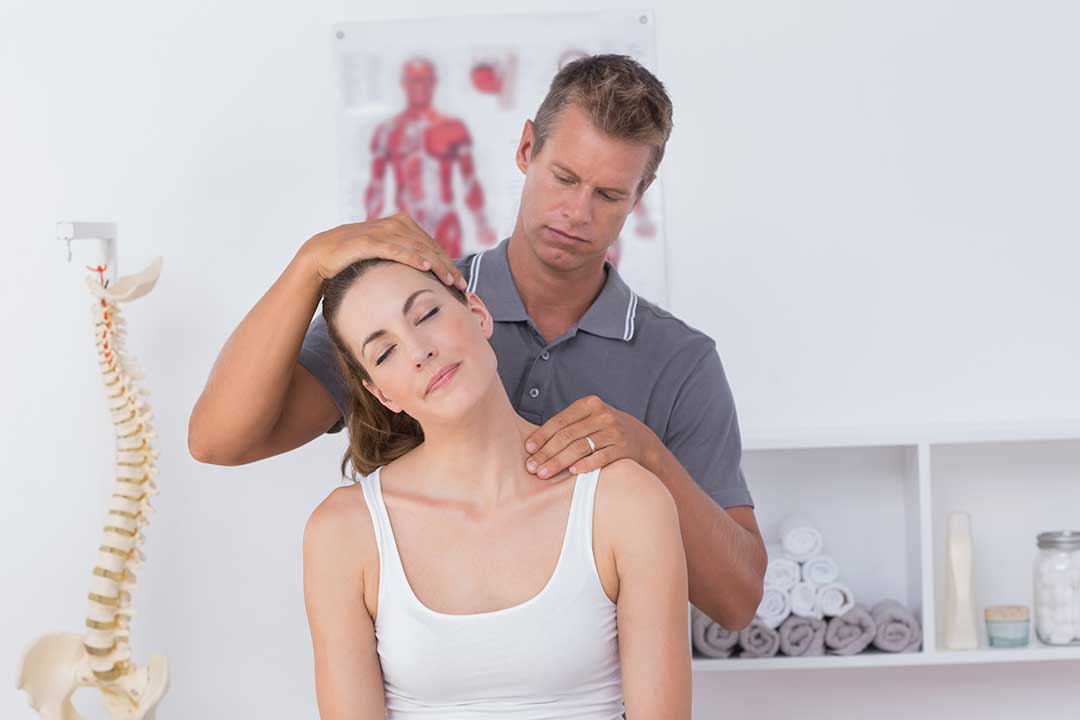
If these symptoms appear, it is important to seek medical attention right away, as they may indicate injuries outside the scope of basic home care.
Which Simple Stretches and Positions Might Help?
Gentle stretches often work well for minor strains, as long as they don’t increase pain. Easy examples:
- Lying on your back with knees bent, gently rock knees side to side.
- Pull one knee at a time towards the chest while lying on a carpeted floor or yoga mat.
- Reclining on your back with legs supported on a chair seat (hips and knees at right angles) helps relax lower back muscles.
Always move slowly and stop if symptoms worsen.
How Can Future Back Strains Be Prevented?
Area households can reduce risk by:
- Using safe lifting methods: squat, keep the object close, and lift using your legs.
- Taking breaks during repetitive yard work, snow removal, or home projects.
- Keeping pathways and driveways clear to avoid slips and sudden twisting motions.
- Strengthening back and core muscles through walking, swimming at the local pool, or basic at-home exercises.
- Having supportive footwear, especially during slippery winter months.
Many in the community find that small adjustments, like keeping shovels, groceries, or other frequently used items at waist height, help avoid awkward motions that strain the lower back.
