
 See Our Latest Article on HelloNation

Mobility is the ability to move a joint or body region comfortably and use that movement during daily activities. It affects how easily a person walks, climbs stairs, reaches overhead, gets out of a chair, works around the house, or manages winter conditions.
For residents of Massena, NY, mobility can be challenged by long periods indoors, icy walkways, physically demanding household tasks, gardening, snow removal, or simply spending too much time sitting. Natural strategies can help many people move more comfortably, although persistent or worsening symptoms deserve medical attention.
What natural approaches can improve mobility?
The most useful natural approach is usually a combination of regular movement, gradual strengthening, flexibility work, balance practice, and attention to daily habits. No single stretch or technique works for every person.
Mobility tends to improve when the body is exposed to consistent, manageable activity rather than occasional intense effort. The goal is not to force a joint into a larger range of motion. It is to make ordinary movement easier while building strength and confidence.
Helpful options may include:
- Short walks performed regularly
- Gentle joint movements in a comfortable range
- Strength exercises using body weight, resistance bands, or light household objects
- Balance exercises near a stable surface
- Stretching after the body is warm
- Changing position frequently during work, driving, or screen time
The National Institute on Aging identifies endurance, strength, balance, and flexibility as complementary parts of physical activity. Combining them supports physical function more effectively than focusing on only one type. ([nia.nih.gov](https://www.nia.nih.gov/health/exercise-and-physical-activity/three-types-exercise-can-improve-your-health-and-physical?utm_source=openai))
How can walking support joint and spine mobility?
Walking is a practical starting point because it moves the hips, knees, ankles, and spine without requiring specialized equipment. It also allows people to adjust speed, distance, and surface according to their abilities.
A person who has been inactive may begin with five to ten minutes at a comfortable pace, then add a few minutes every several days if symptoms remain manageable. Walking indoors may be more appropriate during icy conditions or severe cold. On outdoor routes, stable footwear, clear paths, and attention to uneven surfaces matter.
A useful walking pace is one that raises breathing slightly but still allows conversation. The CDC recommends that adults work toward at least 150 minutes of moderate-intensity activity weekly, along with muscle-strengthening activity on at least two days. People who cannot meet that amount immediately can still benefit from smaller amounts and gradual progress. ([cdc.gov](https://cdc.gov/physical-activity-basics/guidelines/adults.html?utm_source=openai))
Which exercises help stiffness, balance, and strength?
Different exercises address different mobility problems.
For stiffness:
Gentle movements such as ankle circles, shoulder rolls, heel slides, and slow hip movements can reduce the feeling of being “stuck” after sitting. These should be performed slowly and without bouncing.
For strength:
Sit-to-stand practice from a sturdy chair can strengthen the thighs and hips. Wall push-ups can build upper-body strength. Supported heel raises may help the calves and ankles. Start with a small number of repetitions and stop before form breaks down.
For balance:
Standing near a counter, practice shifting weight from one foot to the other. Progressing to brief single-leg stands may be appropriate for some people, but balance drills should be performed next to something stable rather than in an open area.
For flexibility:
Gentle calf, hip-flexor, chest, and hamstring stretches may help make walking and reaching easier. Hold a mild stretch without sharp pain, numbness, or burning.
Strength and balance work are especially relevant for older adults because they can support independence and reduce fall risk. The CDC describes multicomponent activity—combining aerobic, strengthening, and balance exercises—as useful for improving physical function. ([cdc.gov](https://www.cdc.gov/physical-activity/media/pdfs/Physical_Activity_Guidelines_2nd_edition.pdf?utm_source=openai))
How should movement change during winter?
Cold weather does not automatically make movement unsafe, but it can alter how the body feels and how people move. Muscles may feel tighter after time outside, while snow and ice increase the risk of slipping.
Before outdoor activity, spend several minutes walking slowly indoors or moving the arms and legs gently. Avoid rushing into heavy shoveling immediately after waking or after sitting for a long time. Use smaller loads, change sides when possible, and take breaks before fatigue affects coordination.
Indoor mobility routines can be useful during storms or icy periods. Walking through the home, performing supported chair exercises, or using stairs carefully may help prevent long periods of inactivity. Floors should be free of loose rugs, clutter, and cords that could create tripping hazards.
Can posture and daily habits affect mobility?
Yes. Mobility is influenced not only by exercise but also by how often a person changes position. Remaining seated for hours can make the hips, upper back, and ankles feel stiff even when no serious injury is present.
Simple adjustments include:
- Standing or walking briefly every 30 to 60 minutes
- Keeping frequently used items within easy reach
- Alternating sitting and standing during household tasks
- Avoiding prolonged positions that reproduce pain
- Using both hands for heavier objects when practical
- Turning the whole body instead of twisting suddenly while lifting
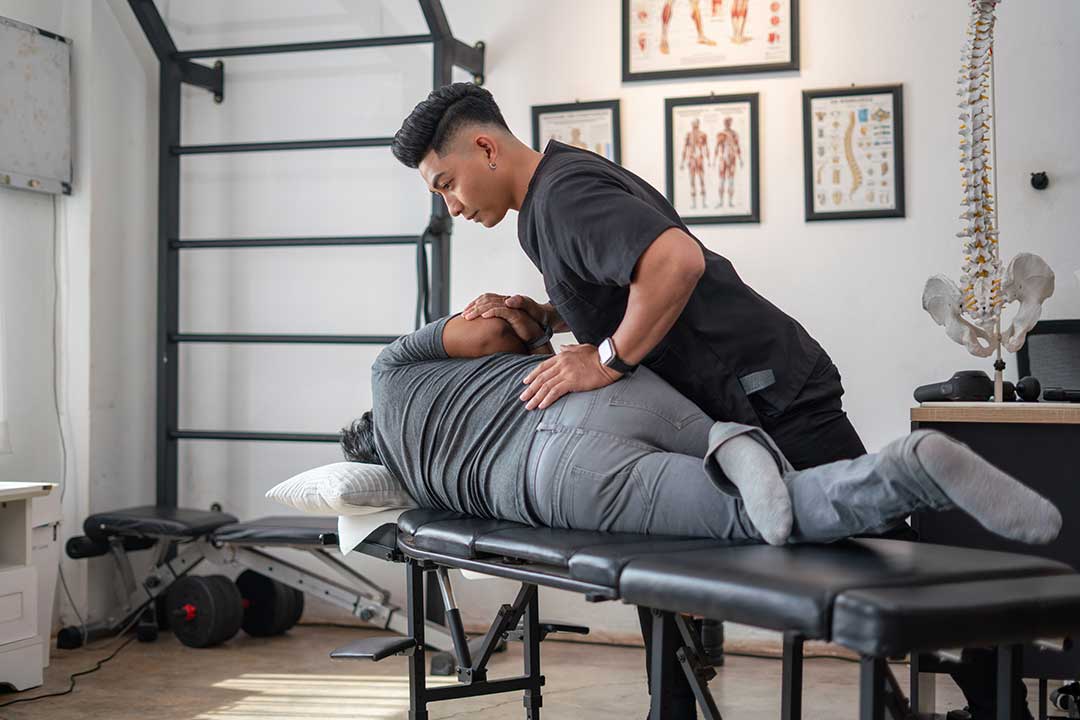
Good posture does not mean holding the body rigidly all day. Comfortable movement and regular position changes are generally more useful than trying to maintain one “perfect” position.
Is stretching enough to improve mobility?
Stretching alone may not solve a mobility problem. A joint can feel restricted because of muscle weakness, swelling, pain sensitivity, poor balance, an old injury, or limited coordination. Strength and control are often needed to use a larger range of motion safely.
For example, stretching the legs may not make stairs easier if the hips and thighs lack strength. Likewise, stretching the shoulders may not improve reaching if the upper back remains stiff or the movement causes pain.
A balanced routine usually works better: gentle movement to reduce stiffness, strengthening to improve control, and walking or other aerobic activity to build endurance.
When should mobility problems be evaluated?
Mild stiffness after inactivity may improve with gentle movement. However, evaluation is appropriate when pain persists, repeatedly returns, or interferes with sleep, work, walking, or basic household activities.
Prompt medical attention is warranted for sudden severe pain, rapidly worsening symptoms, fever or feeling generally unwell, major weakness, or an injury that causes loss of function. Back pain accompanied by numbness or weakness in both legs, loss of sensation around the groin, or new bladder or bowel changes requires emergency care. ([nhs.uk](https://www.nhs.uk/conditions/back-pain/?utm_source=openai))
A chiropractor, physical therapist, physician, or other qualified clinician may assess movement differently depending on the suspected cause. The appropriate choice depends on the symptoms, medical history, medications, prior injuries, and whether warning signs are present.
Natural mobility work should feel controlled and manageable. Sharp pain, increasing numbness, unusual weakness, dizziness, or symptoms that continue to worsen are signals to stop and seek appropriate medical guidance.
How can someone begin safely?
A practical starting routine may take ten minutes:
- Walk gently for three minutes.
- Perform five to ten chair sit-to-stands if comfortable.
- Complete slow ankle circles and shoulder rolls.
- Practice supported weight shifting for one minute.
- Finish with mild stretches that do not produce pain.
Consistency matters more than intensity. Tracking which movements improve comfort—and which aggravate symptoms—can help clarify patterns and make future exercise choices safer.
