
 See Our Latest Article on HelloNation
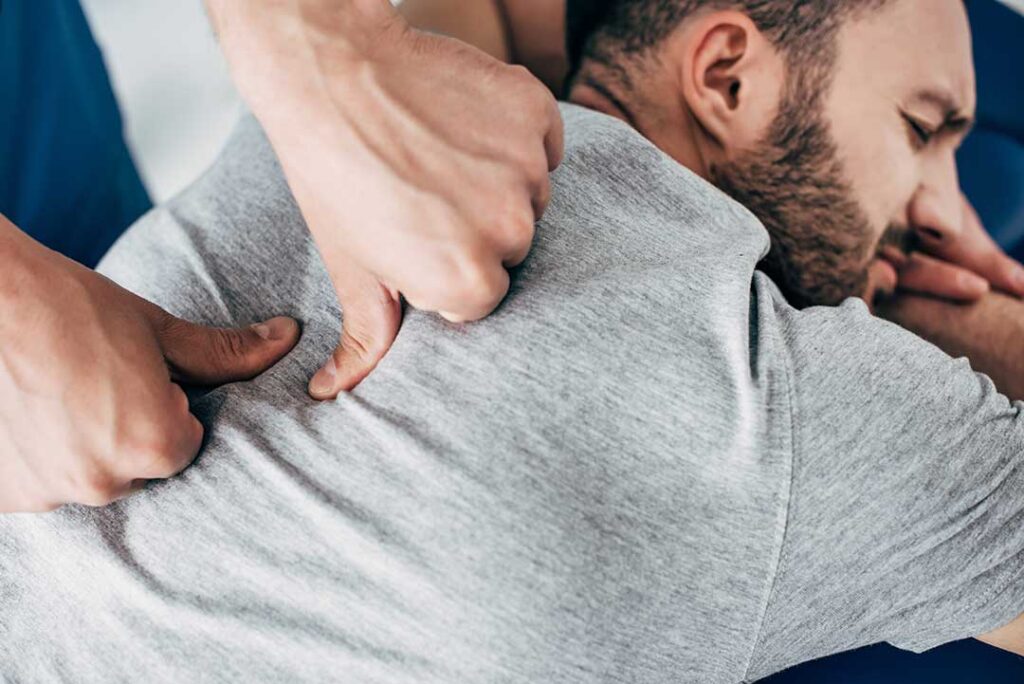
Neck clicking is common and is often caused by normal movement in the joints, tendons, or surrounding muscles. A painless click by itself usually does not mean the neck is damaged. The concern increases when clicking occurs with pain, weakness, numbness, balance problems, or follows an injury.
For residents of Massena, NY, neck sounds may become more noticeable during activities such as shoveling, winter driving, lifting firewood, working overhead, or spending long periods looking down at a phone. The sound itself is usually less important than the symptoms that accompany it.
What causes clicking in the neck?
Most neck clicking comes from ordinary changes in how the small joints and soft tissues move. Several explanations are possible:
- Gas bubbles in a joint: Small joints contain lubricating fluid. Changes in pressure during movement can create a popping or cracking sound.
- Tendons or ligaments moving: A tendon or ligament may shift slightly over a joint or bony surface and produce a snap or click.
- Joint stiffness: Limited movement from muscle tightness or prolonged positioning can make normal joint sounds more noticeable.
- Age-related joint changes: The joints in the neck can gradually develop wear, sometimes called cervical osteoarthritis. This may produce grinding, clicking, or stiffness.
- Muscle strain: Tight muscles may alter how the neck moves, especially after repetitive work, awkward sleep, computer use, or carrying weight on one side.
Neck pain can also result from posture, repetitive movements, injuries, arthritis, or irritation of a nearby nerve. ([mayoclinic.org](https://www.mayoclinic.org/diseases-conditions/neck-pain/symptoms-causes/syc-20375581?utm_source=openai))
Is neck clicking without pain usually serious?
Usually, painless clicking is not an emergency. Many people notice sounds when turning the head, looking up, or stretching after holding one position for a long time. If movement remains comfortable and there are no neurological symptoms, the sound alone generally does not identify a serious condition.
Clicking should not automatically be interpreted as proof that a bone is “out of place.” A sound cannot determine whether a joint is misaligned, damaged, or in need of a particular treatment. Imaging is not always necessary for ordinary neck symptoms, and the cause often depends on the overall pattern of movement, pain, stiffness, and other symptoms.
Repeatedly forcing the neck to crack is different from noticing an occasional natural click. Forceful or rapid self-manipulation can strain tissues, and rare but serious blood-vessel injuries have been reported after sudden neck movements. ([health.clevelandclinic.org](https://health.clevelandclinic.org/is-it-safe-to-crack-your-neck?utm_source=openai))
Why might the neck click more during winter activities?
Cold weather does not necessarily damage the neck, but seasonal routines can increase stiffness and strain. In Massena, activities such as clearing snow, scraping ice, lifting wet clothing, or bracing against wind may cause people to tense the shoulders and hold the neck in an awkward position.
Other common contributors include:
- Turning the head repeatedly while backing up or checking traffic on icy roads
- Looking down for long periods while using a phone indoors
- Sleeping with the head turned because of extra blankets or a different pillow
- Lifting snow, boxes, or tools with the shoulders raised
- Working at a kitchen table, basement bench, or home office that is not adjusted for comfortable posture
The issue is usually not the sound alone. It is the combination of prolonged positioning, muscle fatigue, reduced movement, and sudden exertion that can make clicking more noticeable.
When does clicking suggest a neck problem?
Clicking deserves more attention when it is accompanied by other symptoms. Arrange medical evaluation when the sound occurs with:
- Persistent or worsening neck pain
- Increasing stiffness or reduced ability to turn the head
- Pain traveling into the shoulder, arm, or hand
- Numbness, tingling, or weakness
- Frequent headaches associated with neck movement
- Swelling, tenderness, or a feeling that the joint is catching
- Symptoms that continue after several days of rest and ordinary activity changes
Pain that spreads into an arm, or neck symptoms with numbness, tingling, or weakness, can indicate irritation or compression of a nerve. Bulging discs, bone spurs, and other changes may sometimes affect nearby nerves. ([mayoclinic.org](https://www.mayoclinic.org/diseases-conditions/neck-pain/symptoms-causes/syc-20375581?utm_source=openai))
When should neck clicking be treated as urgent?
Seek urgent medical care after a significant fall, vehicle collision, diving injury, or other event that causes severe neck pain. Sudden neck symptoms accompanied by weakness, loss of coordination, severe headache, dizziness, or trouble walking also require prompt evaluation.
Emergency attention is especially important if neck symptoms occur with:
- Weakness or numbness in an arm or leg
- Loss of balance or coordination
- New difficulty using the hands
- Severe headache, fainting, or unusual dizziness
- Fever and marked neck stiffness
- Loss of bladder or bowel control
- Severe pain immediately after trauma
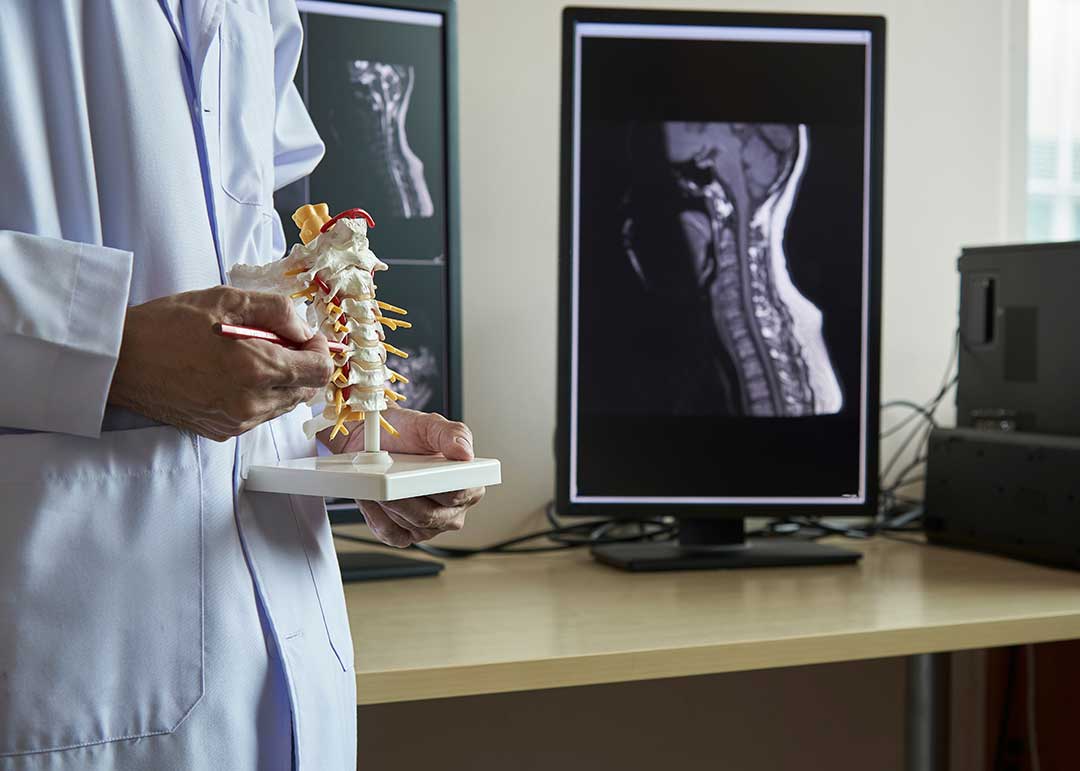
These signs are not typical of harmless joint noise. Medical sources recommend urgent assessment for severe neck pain after injury and for symptoms involving weakness, numbness, tingling, spreading pain, or neurological changes. ([mayoclinic.org](https://www.mayoclinic.org/diseases-conditions/neck-pain/symptoms-causes/syc-20375581?utm_source=openai))
What can residents try for mild, painless clicking?
For mild symptoms without warning signs, the goal is to keep the neck moving comfortably rather than repeatedly forcing it to pop.
Helpful measures may include:
- Change position regularly instead of holding the head down or turned for long periods.
- Raise phones and reading material closer to eye level.
- Take brief movement breaks during computer work or long drives.
- Use gentle, pain-free neck and shoulder movements.
- Apply comfortable warmth if the muscles feel tight.
- Use careful body mechanics when shoveling or lifting: keep the load close, avoid sudden twisting, and take smaller loads.
- Check whether a pillow leaves the head tilted sharply upward or downward.
- Avoid forceful neck cracking, especially if it causes pain, dizziness, or unusual symptoms.
Good posture means keeping the head generally centered over the shoulders, while regular movement can reduce strain from static positions. Mayo Clinic guidance also emphasizes adjusting workstations, taking breaks, staying active, and avoiding prolonged forward-head positioning. ([mayoclinic.org](https://www.mayoclinic.org/diseases-conditions/neck-pain/symptoms-causes/syc-20375581?utm_source=openai))
Does clicking mean chiropractic care or another treatment is required?
No. Clicking alone does not establish a diagnosis or automatically indicate that manipulation, medication, imaging, or another treatment is needed. The appropriate response depends on the person’s age, history, activity level, pain pattern, neurological symptoms, and whether there has been an injury.
A qualified healthcare professional may assess neck movement, muscle tension, nerve function, and other possible causes when symptoms persist or interfere with work, sleep, driving, or daily activities. Evaluation is particularly appropriate when clicking is new, progressively more painful, or associated with symptoms extending into the arms or legs.
The practical question is not simply, “Why does my neck make noise?” It is, “Is the noise painless and occasional, or is it part of a changing pattern of pain, stiffness, injury, or nerve symptoms?” That distinction helps separate common joint sounds from a problem that deserves medical attention.
