
 See Our Latest Article on HelloNation
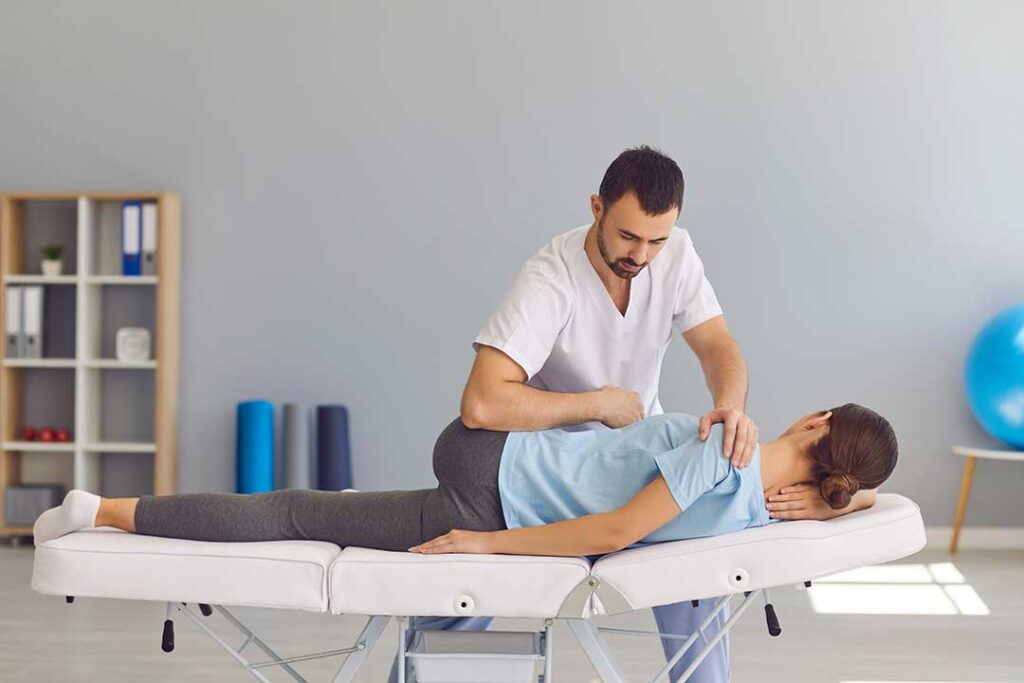
Scoliosis is a sideways or twisting curve of the spine. Chiropractic care may help some people manage related pain, stiffness, or movement limitations, but current evidence does not show that spinal adjustments can straighten a structural scoliosis curve or reliably stop it from progressing. The most appropriate plan depends on age, curve size, symptoms, growth status, and whether another condition is affecting the spine.
What is scoliosis, and how is it diagnosed?
Scoliosis is more than a simple posture problem. The spine may curve from side to side and rotate, creating an S-shaped or C-shaped appearance. One shoulder, shoulder blade, hip, or side of the rib cage may appear higher than the other.
Many children and teenagers with mild scoliosis have no pain. A curve may be noticed during a physical exam, sports screening, or when a parent sees uneven shoulders or a prominent shoulder blade. Diagnosis usually involves a physical examination and, when appropriate, X-rays that measure the curve and help determine whether it is changing over time. ([niams.nih.gov](https://www.niams.nih.gov/health-topics/scoliosis/diagnosis-treatment-and-steps-to-take?utm_source=openai))
In adults, scoliosis may have been present since adolescence or may develop or become more noticeable as discs, joints, and bones change with age. Arthritis, osteoporosis, muscle weakness, and nerve compression can contribute to adult symptoms.
Can chiropractic care correct scoliosis?
No reliable evidence shows that chiropractic adjustments correct the underlying spinal curve. The Scoliosis Research Society states that chiropractic treatment and other alternative approaches have not demonstrated scientific value for preventing curve progression. Mayo Clinic also notes that studies have not shown spinal manipulation to fix scoliosis. ([etext.srs.org](https://etext.srs.org/patients-and-families/common-questions-and-glossary/frequently-asked-questions/treatment-and-coping?utm_source=openai))
That distinction matters. A person may feel less stiff, move more comfortably, or experience temporary pain relief after hands-on treatment without the actual curve changing. Improved comfort should not be presented as proof that scoliosis has been reversed.
For children and adolescents who are still growing, monitoring, bracing, and—when necessary—surgical treatment are the approaches with established roles in managing curve progression. Bracing is intended to slow or prevent worsening in selected growing children; it generally does not permanently straighten the spine. ([mayoclinic.org](https://www.mayoclinic.org/diseases-conditions/scoliosis/diagnosis-treatment/drc-20350721?utm_source=openai))
What symptoms might chiropractic care help manage?
Chiropractic treatment may be considered as one part of symptom management when the main concerns are musculoskeletal, such as:
- Local back stiffness
- Muscle tightness or soreness
- Reduced comfort with standing, walking, or household activities
- Pain related to altered movement patterns
- Temporary discomfort after prolonged sitting or physical work
Evidence for spinal manipulation is stronger for some types of nonspecific low-back pain than for scoliosis itself. The National Center for Complementary and Integrative Health reports that spinal manipulation may be an option for certain low-back-pain conditions, but the evidence is limited and it does not establish that manipulation treats the spinal deformity. Mild, temporary soreness or increased pain can occur afterward. ([nccih.nih.gov](https://www.nccih.nih.gov/health/low-back-pain-and-complementary-health-approaches-what-you-need-to-know?utm_source=openai))
A careful assessment should distinguish pain caused by muscles and joints from symptoms caused by nerve compression, a fracture, infection, or another medical problem. Those conditions require a different evaluation.
Should a child or teenager with scoliosis see a chiropractor?
A child or teenager with a suspected spinal curve should first receive an appropriate medical evaluation. This is especially important during periods of rapid growth, when some curves can progress more quickly.
Chiropractic care should not replace:
- Curve measurement and follow-up imaging when recommended
- Evaluation by a primary care clinician or orthopedic specialist
- Bracing when it is prescribed
- Physical therapy when included in the care plan
- Surgical consultation for a large or progressing curve
If a family chooses to include chiropractic treatment, it should be coordinated with the child’s established medical care. A practitioner should not advise stopping a brace, skipping follow-up imaging, or relying on adjustments as the sole method of controlling scoliosis.
What is usually recommended for adults?
Adult treatment is based more on symptoms and function than on the appearance of the curve alone. Some adults need only observation and exercise. Others may benefit from physical therapy, medication guidance, activity changes, or evaluation for arthritis, osteoporosis, or nerve irritation.
Physical therapy can focus on trunk strength, balance, body mechanics, breathing, and ways to perform daily tasks more comfortably. In some cases, a structured scoliosis-specific exercise program may be considered. Chiropractic care, if used, is generally best viewed as an adjunct for selected musculoskeletal symptoms rather than a way to reshape the spine.
This can be relevant in a community where winter conditions may require more walking on packed snow, climbing steps carefully, or clearing entrances and driveways. Those activities can aggravate muscle strain even though they do not cause scoliosis. Safe footwear, pacing, warm-up movements, and avoiding sudden twisting while lifting can help reduce avoidable flare-ups.
When should back pain be evaluated promptly?

Back pain should not automatically be attributed to scoliosis. Prompt medical evaluation is appropriate for:
- New weakness, numbness, or loss of coordination
- Pain traveling down an arm or leg
- Difficulty controlling the bladder or bowel
- Numbness in the groin or inner thighs
- Fever, unexplained weight loss, or unusual fatigue
- Severe pain after a fall or other injury
- Increasing difficulty breathing
- Pain that is severe, persistent, or worsening at night
For a child, rapid visible changes in posture, significant pain, weakness, or a curve that appears to be progressing should be assessed rather than managed only with routine adjustments.
What questions should residents ask before treatment?
Before beginning any hands-on treatment, useful questions include:
- Is the goal pain relief, improved movement, or changing the curve?
- Has scoliosis been confirmed and measured?
- Could arthritis, osteoporosis, nerve compression, or another condition be contributing to the symptoms?
- What treatment will be used if symptoms worsen?
- How will progress be monitored?
- Should physical therapy, primary care, or orthopedic evaluation be part of the plan?
- Are there reasons spinal manipulation may be unsafe in this particular case?
A trustworthy explanation should acknowledge the limits of chiropractic care. For Massena residents, the practical goal is usually not to “put the spine back in place,” but to identify the cause of symptoms, preserve function, and ensure that a progressing or medically significant curve is not overlooked.
