
 See Our Latest Article on HelloNation
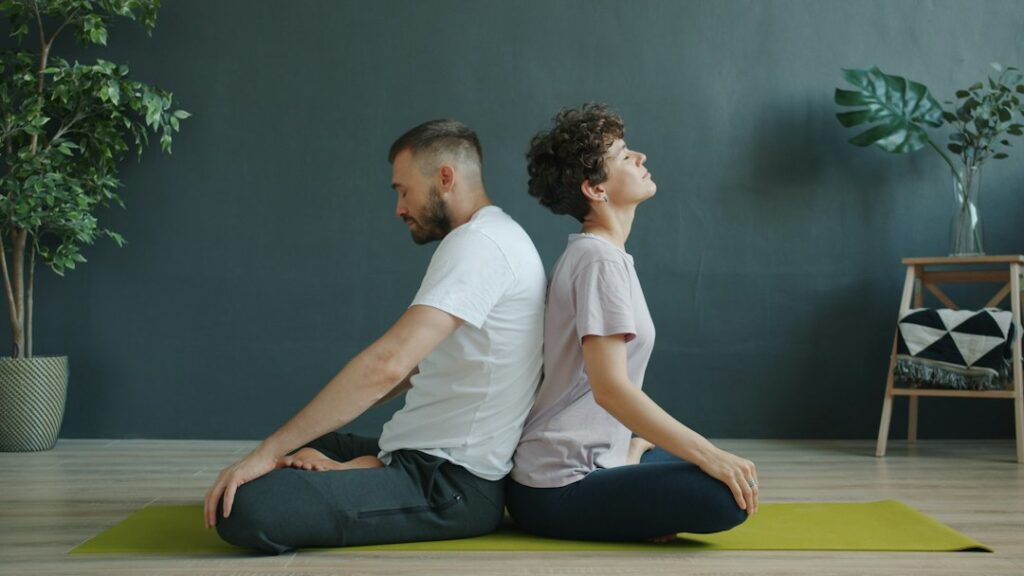
Morning stiffness is common, especially after several hours in one position, but severe or persistent pain should not be treated as a routine part of aging. A few slow mobility exercises can help the back, hips, shoulders, and neck move more comfortably before the day begins.
For residents of Massena, cold winter mornings may add another factor. Chilly temperatures can make muscles and joints feel tighter, while shoveling, walking on icy surfaces, commuting, and indoor projects may place extra demands on the body. A gentle morning routine can help prepare the body without forcing stiff areas into aggressive stretches.
Why does the body feel stiff after waking up?
Morning stiffness often reflects reduced movement during sleep rather than a single injury. Muscles, connective tissues, and joints have remained in relatively still positions for hours. Sleeping posture, an unsupportive pillow, a mattress that does not suit the person, or an awkward position can also contribute to discomfort.
Stiffness may be more noticeable after:
- Sleeping on the stomach with the neck turned
- Curling tightly on one side
- Spending the previous day sitting, driving, lifting, or doing yard work
- Shoveling snow or carrying wet, heavy clothing and equipment
- Exercising harder than usual
- Staying indoors and moving less during cold weather
The goal of morning stretching is not to force flexibility or “crack” the spine. It is to restore comfortable movement gradually.
Should stretching happen immediately after getting out of bed?
The first movements should be small and easy. If the body feels especially stiff, begin in bed or beside it with relaxed breathing and gentle joint motion before attempting a deeper stretch.
Try this brief transition:
1. Take several slow breaths and relax the shoulders.
2. Move the ankles up and down.
3. Bend and straighten one knee at a time.
4. Roll from the side of the body into a seated position rather than sitting up abruptly.
5. Stand with support nearby if balance feels uncertain.
Walking around for two or three minutes, drinking water, or taking a warm shower may make stretching more comfortable. A warm room can also help during Massena’s colder months, when muscles may feel guarded first thing in the morning.
Which stretches are helpful for a stiff back?
A gentle sequence for the back should involve movement rather than force. Perform each exercise slowly and stay within a comfortable range.
Pelvic tilts
Lie on the back with the knees bent and feet resting on the floor. Gently tighten the abdominal muscles and flatten the lower back toward the surface. Relax and allow the natural curve to return.
Repeat 8 to 12 times. The motion should be subtle, with no lifting or pushing through pain.
Knee-to-chest stretch
From the same position, bring one knee toward the chest while keeping the other foot supported. Hold for about 10 to 20 seconds, then switch sides. If comfortable, both knees may be brought toward the chest, but only without straining the neck or lower back.
This exercise may feel useful after prolonged sitting or sleeping in a curled position. It should create a mild stretch across the lower back or hip, not a sharp sensation.
Cat-cow mobility
Start on hands and knees, using a folded towel or exercise mat for comfort. Slowly round the back, then ease into a gentle arch while keeping the movement controlled.
Complete 6 to 10 repetitions. Avoid dropping heavily into the low back or moving quickly. If kneeling is uncomfortable, a similar movement can be performed while standing with the hands on a sturdy surface.
What can help tight hips and legs?
Tight hips and hamstrings can make the lower back work harder during standing, walking, and bending. Stretching the legs gently may improve comfort, but a strong pulling sensation is not necessary.
Supported hamstring stretch
Sit near the edge of a firm chair. Extend one leg with the heel on the floor and the toes pointing upward. Keep the back relatively straight and lean forward slightly from the hips.
Hold for 10 to 20 seconds, then change sides. Do not round deeply through the back or reach forcefully toward the toes.
Hip flexor stretch
Stand facing a counter or wall for balance. Step one foot back and bend the front knee slightly. Keep the back heel lifted or lowered according to comfort, then gently shift the pelvis forward without arching the lower back.
Hold briefly on each side. This can be especially useful after sleeping with the hips flexed or spending much of the day seated.
Calf stretch
Place both hands on a wall. Step one foot back, keep the heel down, and bend the front knee. Lean forward until a mild stretch is felt in the calf of the back leg.
Hold for 15 to 20 seconds per side. This simple movement may be helpful before walking outdoors on uneven, snowy, or icy ground.
How should the neck and shoulders be stretched?
Neck stretches should be particularly gentle. The neck should not be pulled, rotated forcefully, or moved in large circles.
Try slowly:
- Turning the head to look over one shoulder, then the other
- Bringing one ear slightly toward the same-side shoulder
- Tucking the chin gently, as if making a small double chin
- Rolling the shoulders backward five to ten times
- Opening the arms comfortably to stretch the chest

Hold each neck position for about 5 to 10 seconds. Keep the shoulders relaxed and breathe normally. Stop if dizziness, numbness, tingling, headache, or increased pain develops.
How long should a morning routine take?
A useful routine may take five to ten minutes. Consistency is generally more practical than performing a long session once in a while.
A simple sequence could include:
- Two minutes of walking or gentle movement
- Eight pelvic tilts
- Six cat-cow repetitions
- One hamstring stretch per side
- One hip flexor stretch per side
- Gentle shoulder and neck mobility
- A short walk before starting heavier tasks
Stretching should feel mild to moderate, never painful. Bouncing, forcing a joint beyond its normal range, or holding the breath can make the routine less comfortable.
When is morning pain a reason to seek medical guidance?
Morning stiffness deserves additional attention when it is severe, worsening, or accompanied by other symptoms. Seek prompt medical evaluation for back or neck pain involving:
- New weakness in an arm or leg
- Numbness or tingling that persists or spreads
- Loss of bladder or bowel control
- Fever, unexplained weight loss, or feeling unusually ill
- Pain after a significant fall or collision
- Severe pain that does not improve with rest or gentle movement
- Pain that repeatedly wakes someone during the night
If a stretch consistently makes symptoms worse later that day or the next morning, reduce the range, stop that exercise, and reassess. A pain-free morning does not require perfect flexibility; it requires gradual movement that respects the body’s current condition.
